
 | ||||||
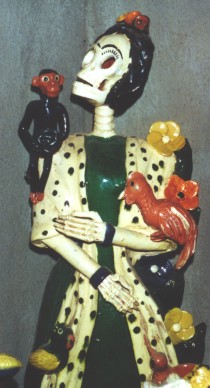
Juan Torres
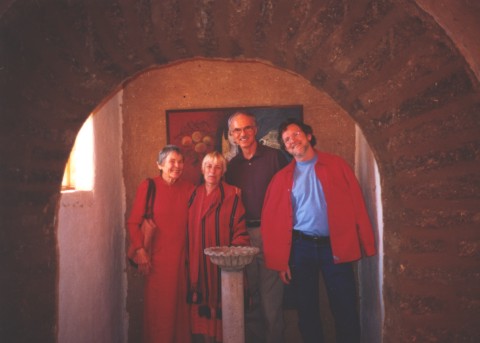
Jane, Carolina, me and Donald in the Torres Chapel!
| ||||||
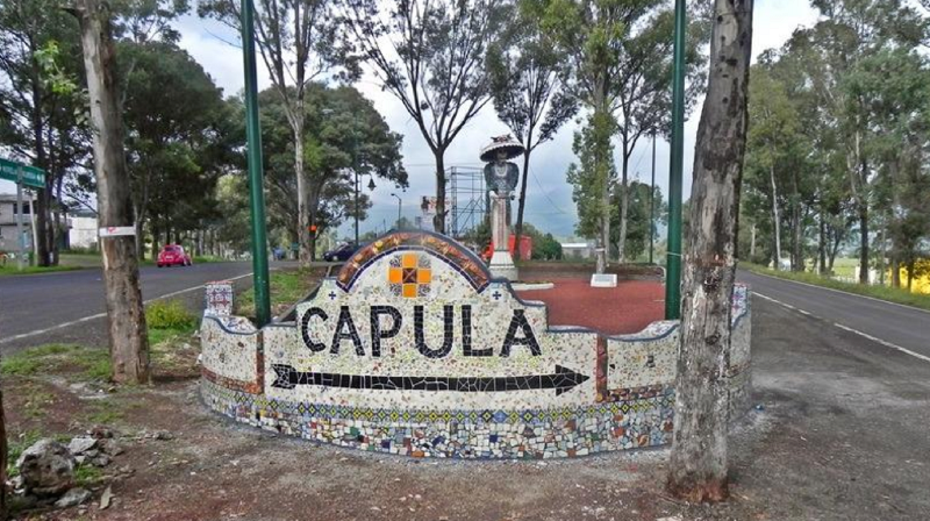
Capula
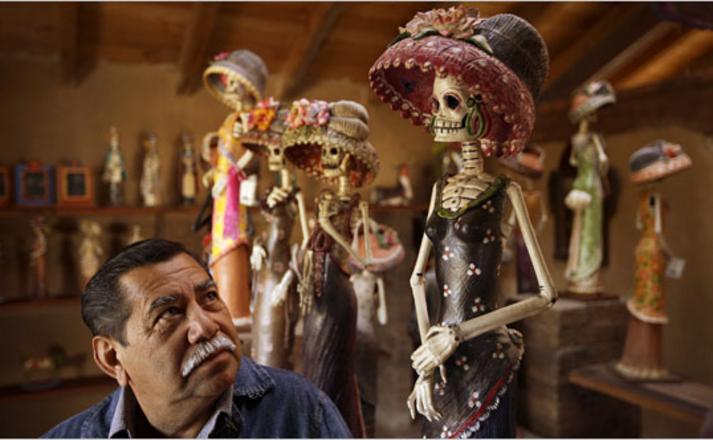
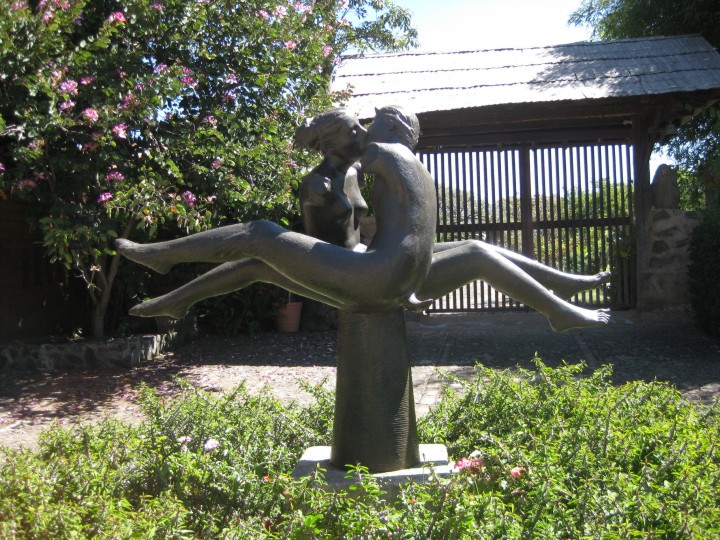
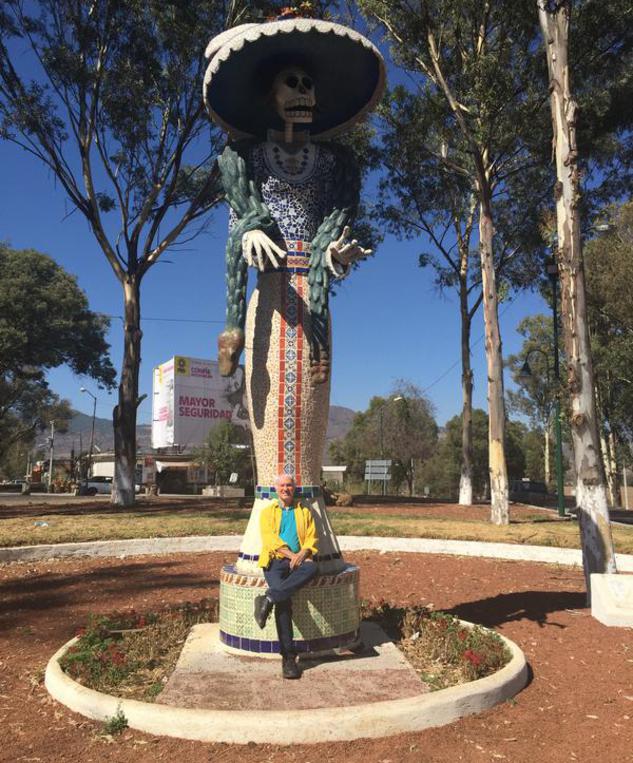
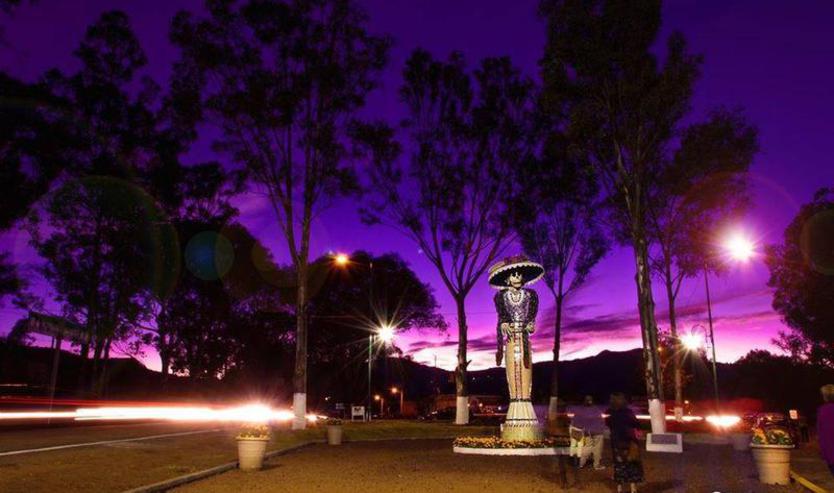
Capula is the home of La Candelaria, the Studio, Chapel, Gallery of Juan Torres, world-renowned artist. As you enter the gate notice the sculptures around the compound. Tucked between them are clever light fixtures, which produce a magical effect at night time. The first building on this large property overlooking Capula contains Torres' ceramic workshop, studio, and display room. He is currently producing ceramic Katrina dolls and many kinds of animals. These high-fired ceramics are meticulously painted and each creation is a work of art.
Torres was not at home the day we visited, but a delightful wife gave us a tour of his chapel. It is a museum for his famous oil paintings. The alcoves are the perfect placement for his paintings. Torres built this high vaulted chapel with rooftop windows to illuminate his art in natural light. Each work of art is presented in an exquisite setting.
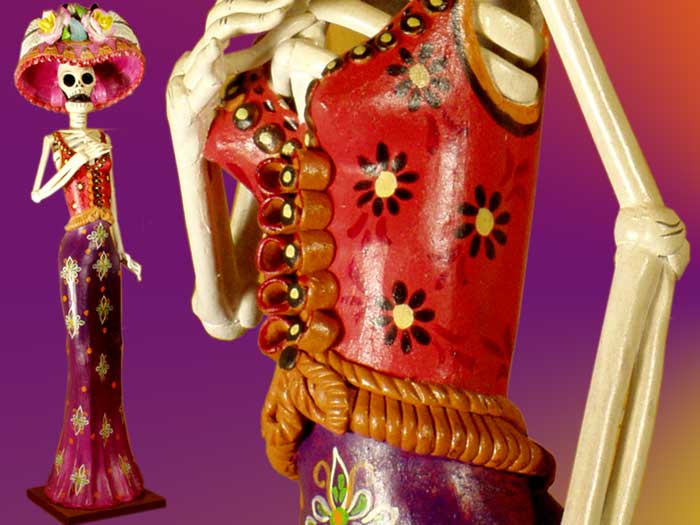
LA CANDELARIA, the Studio of JUAN TORRES
This exceptional and highly prestigious painter and sculptor, born in Michoacan, has always been fascinated by Death.
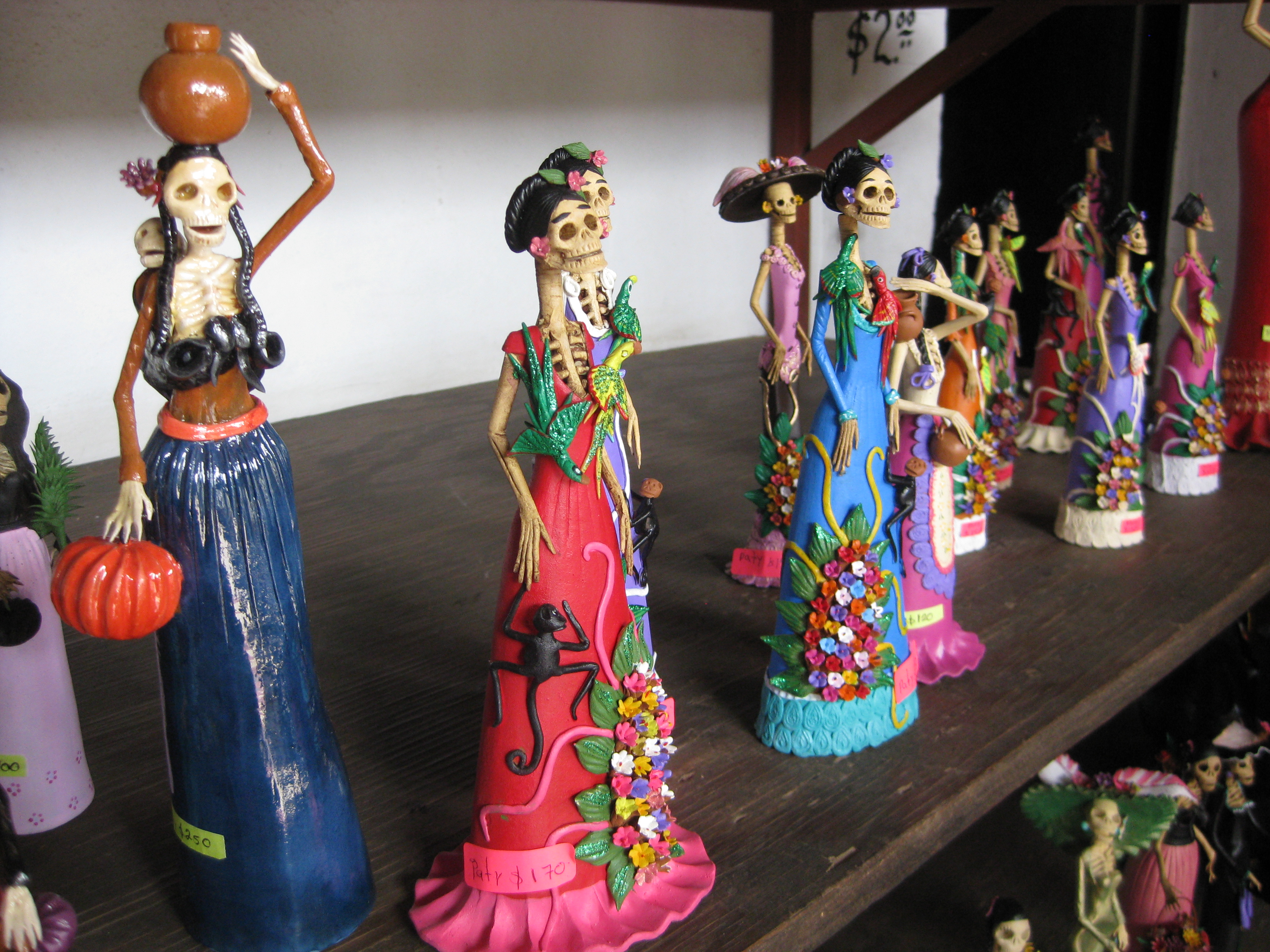
Death is a constant in his work, it appears everywhere in the shape of symbolisms or skeletons and skulls. In 1982 Juan discovered the wonders of clay and starts creating "Catrinas".
What is a "Catrina"? (Conceited Lady)
In the 19th century, a famous engraver and newspaper illustrator named Jose Guadalupe Posada, as part of
a political satire, invented the " La Catrina",
a female dandy mocking the european-
influenced ruling class of Mexico during
the autocratic rule of Porfirio Diaz.
Throughout the years the catrina has
been reproduced by many artists, but
never with such talent as Juan Torres,
the catrina maker. His catrinas are
unique, never two to be the same.
Don Juan's work has been imitated by many, always without success.
Juan Torres in his studio, La Candalaria
Photo by Janet Jarman 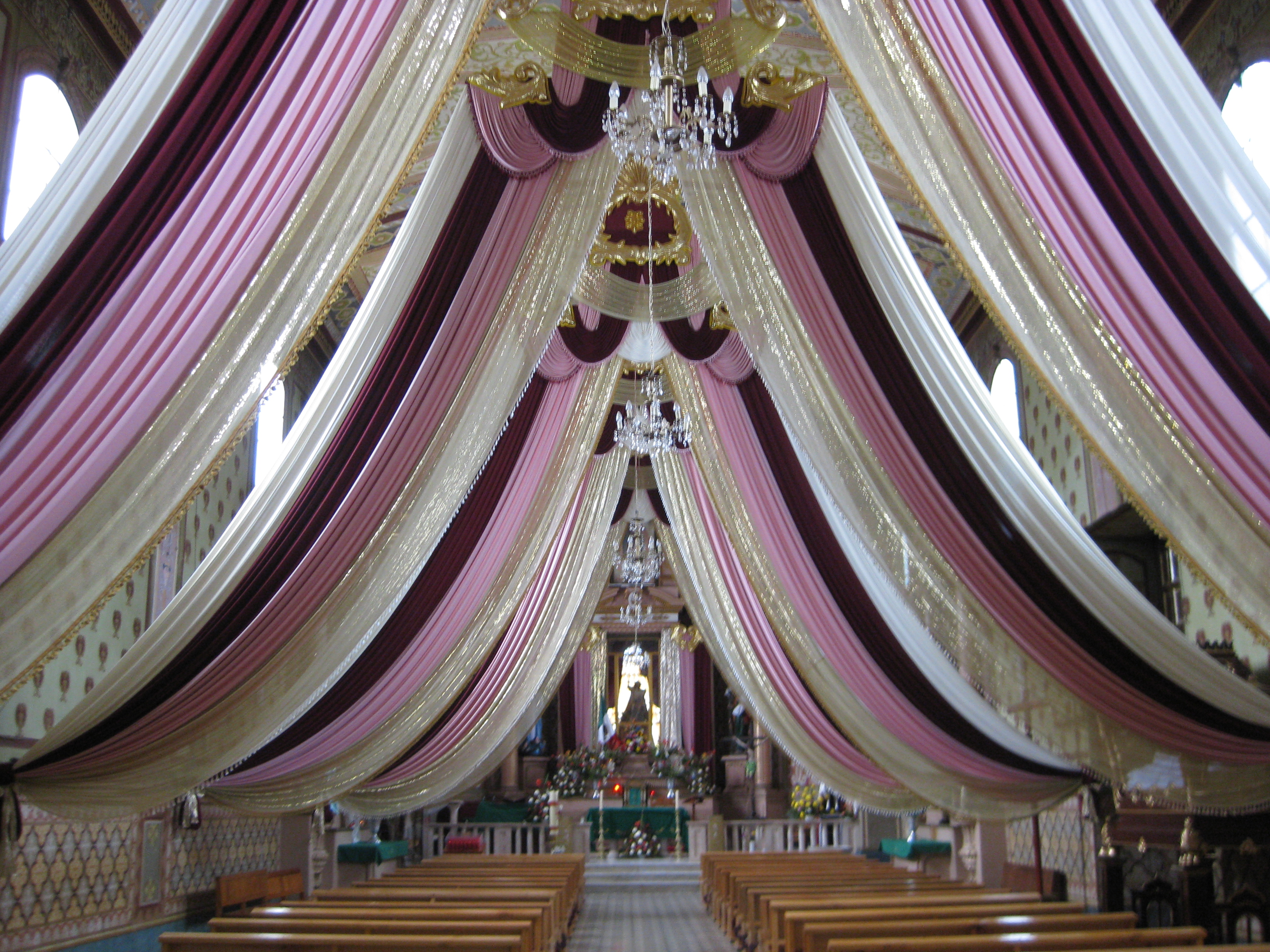
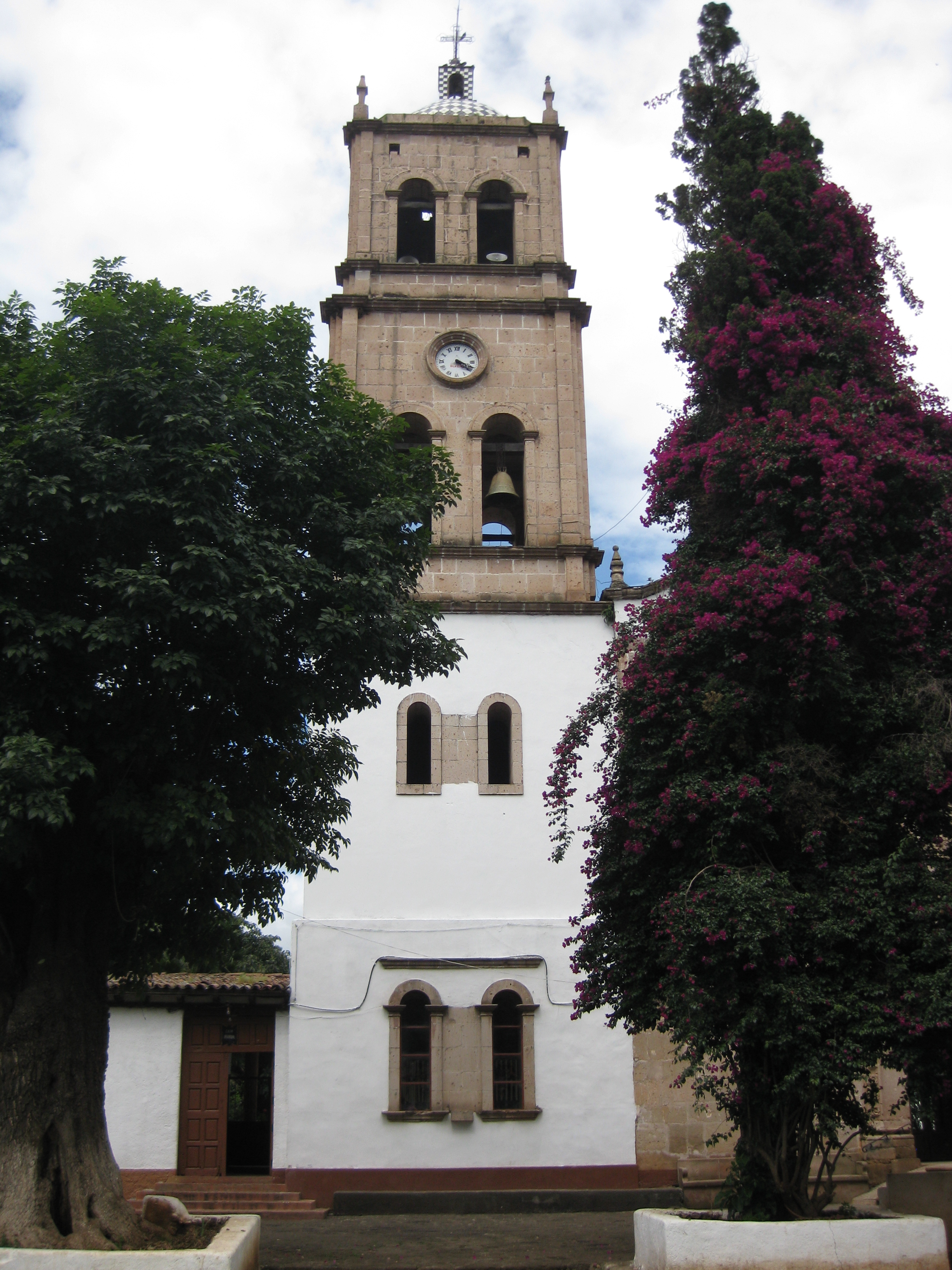
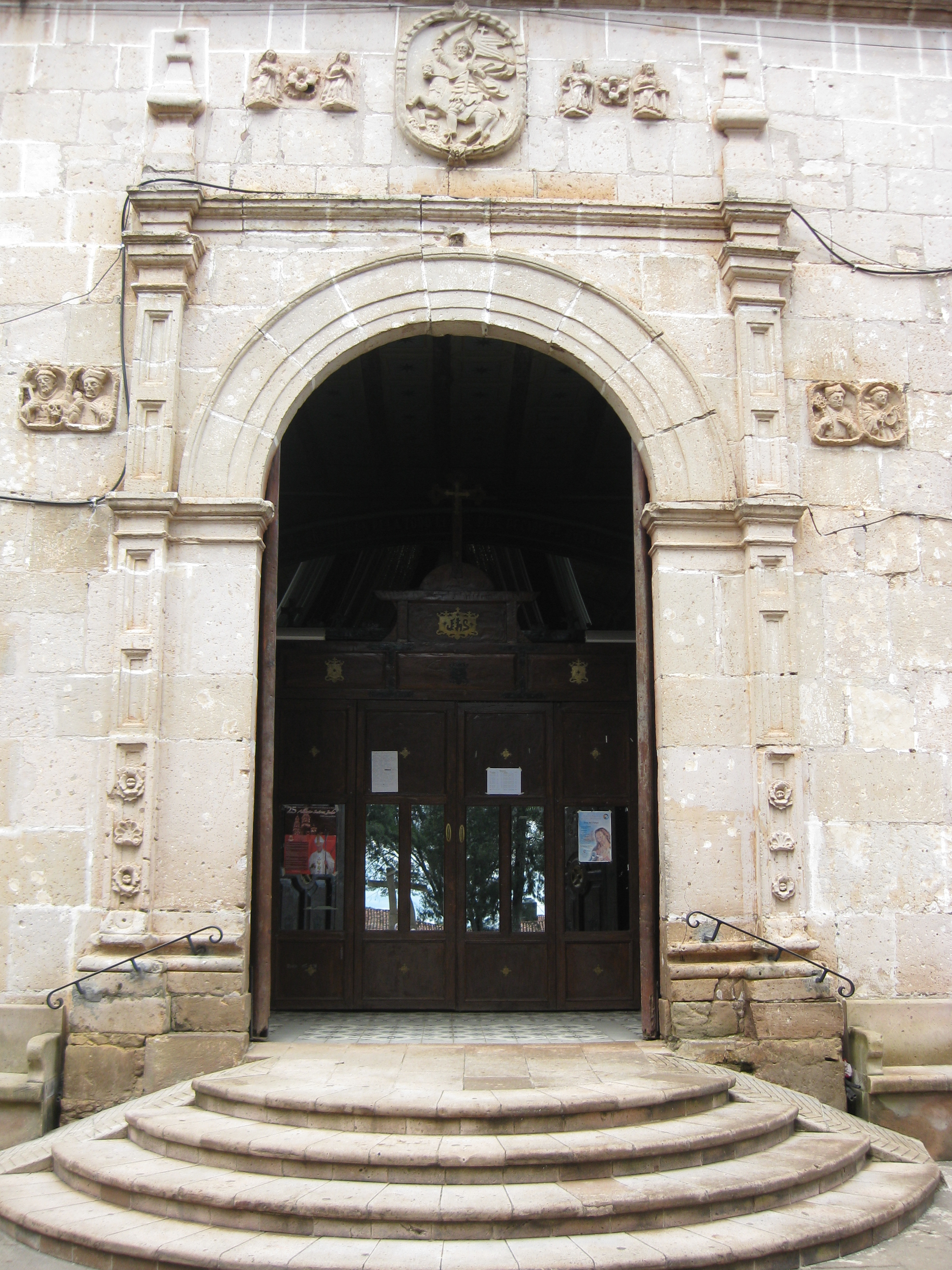
Capula's Church
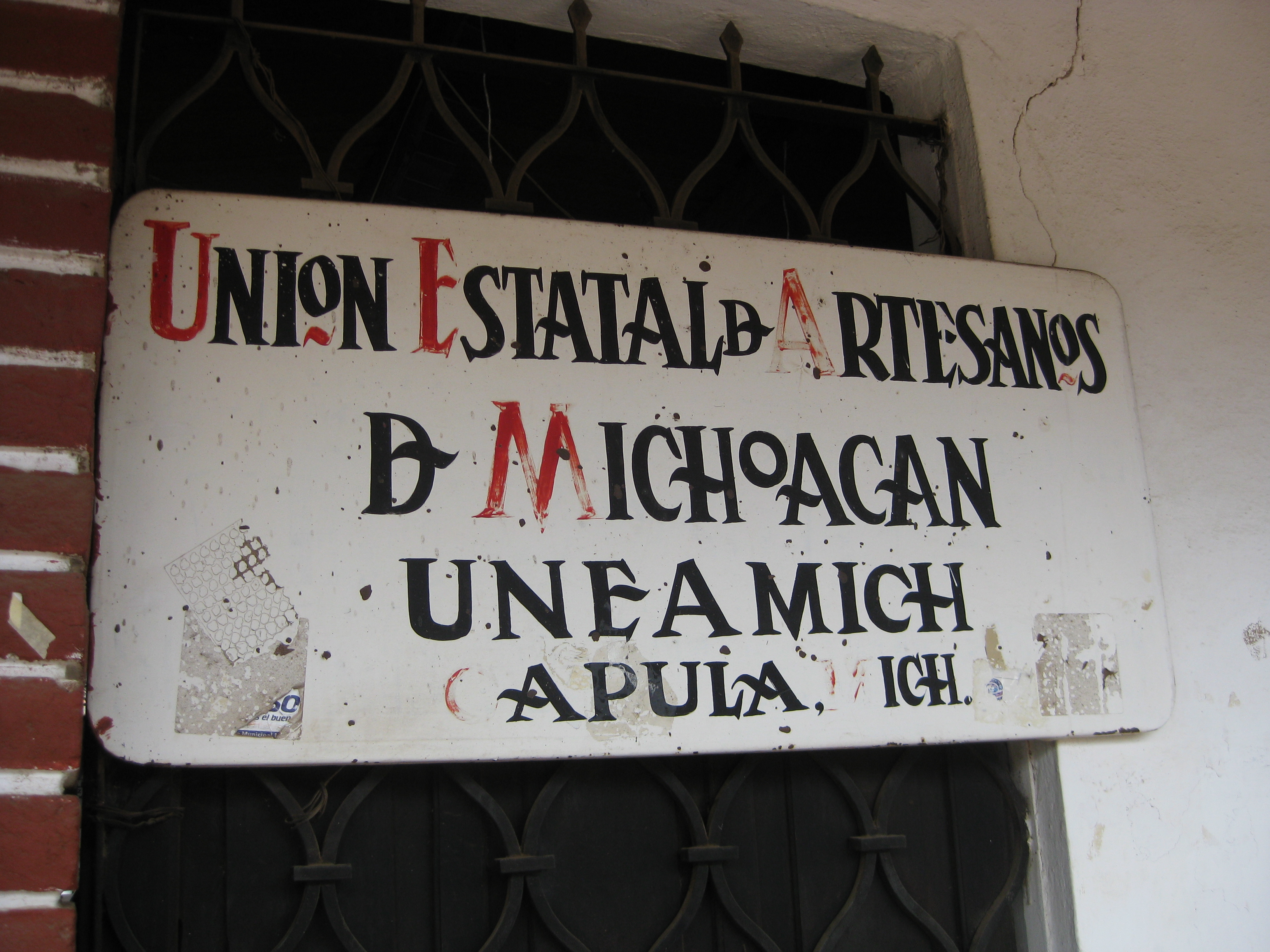
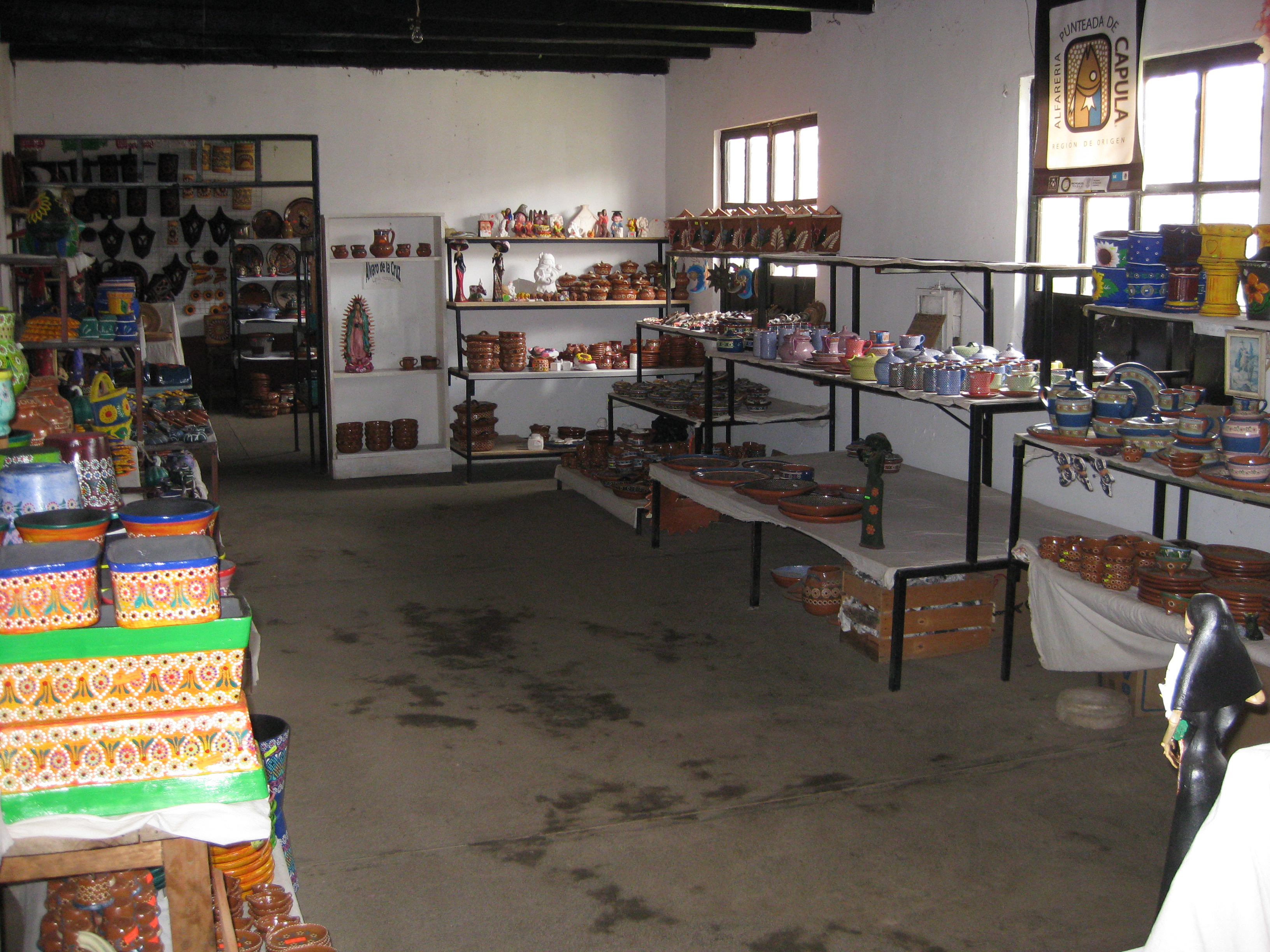
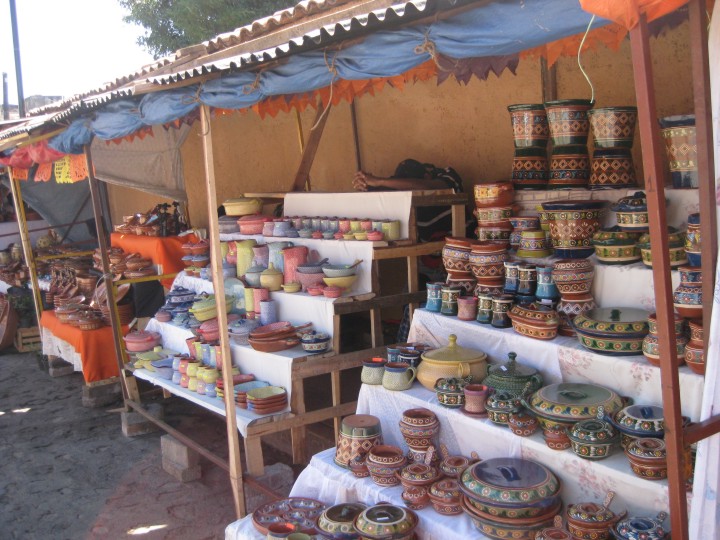
Co-Op Crafts Market
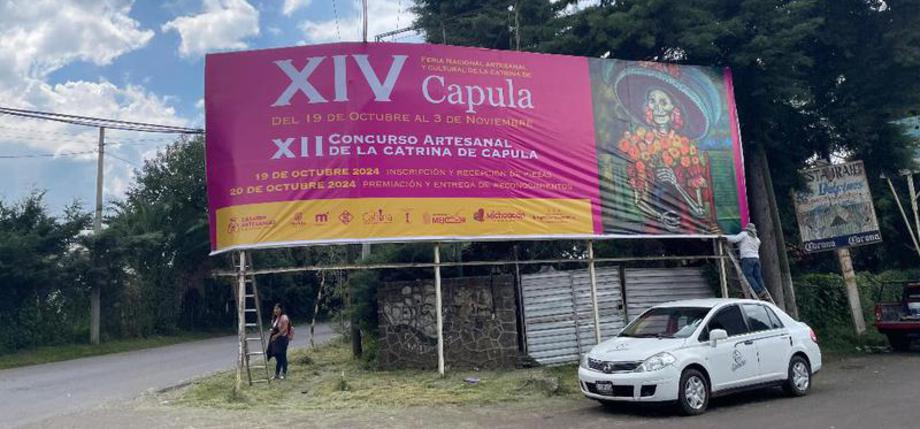
The annual
Catrina Festival
The Calacas of Capula
The week around
Dia de Muertos, October 19 to November 3, 2024. View the exhibits of many Capula artists, inclucing, Antiguo Xenguaro, with his large exhibition of skeletons and artist Juan Torres with his catrinas of inspiration.

Catrina artist, Pedro Arroyo Villegas
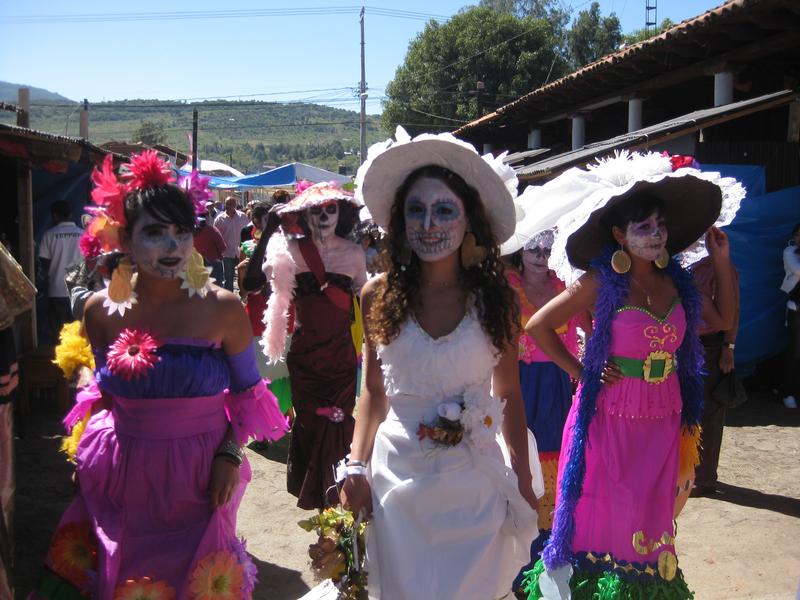
La Reinas de Muertos
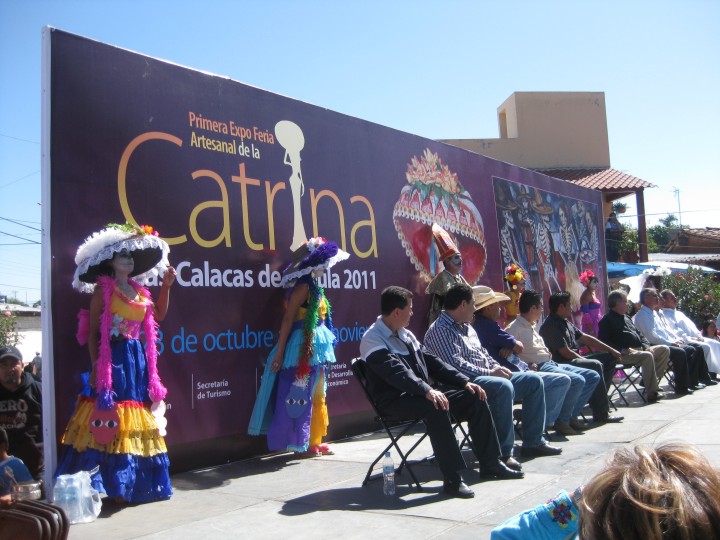
Crowning La Reina de Muerto
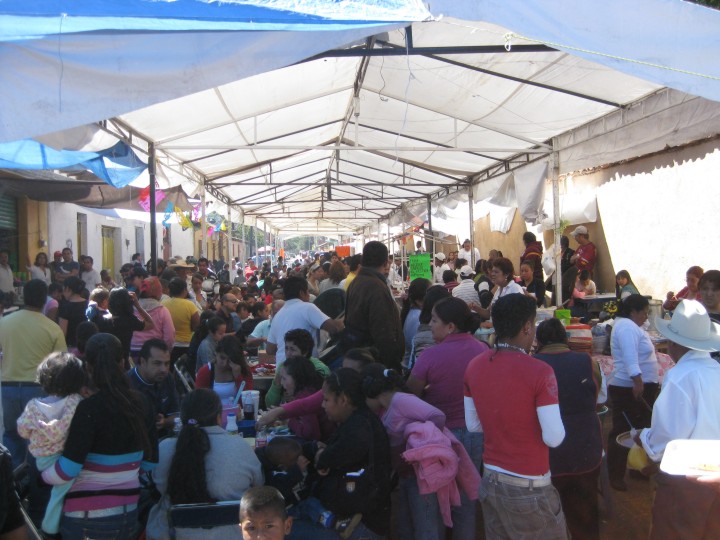
Indigenous food courtI
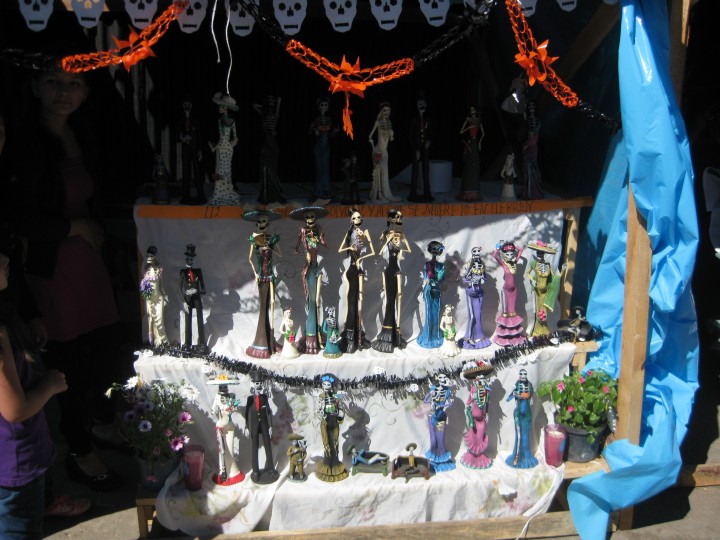
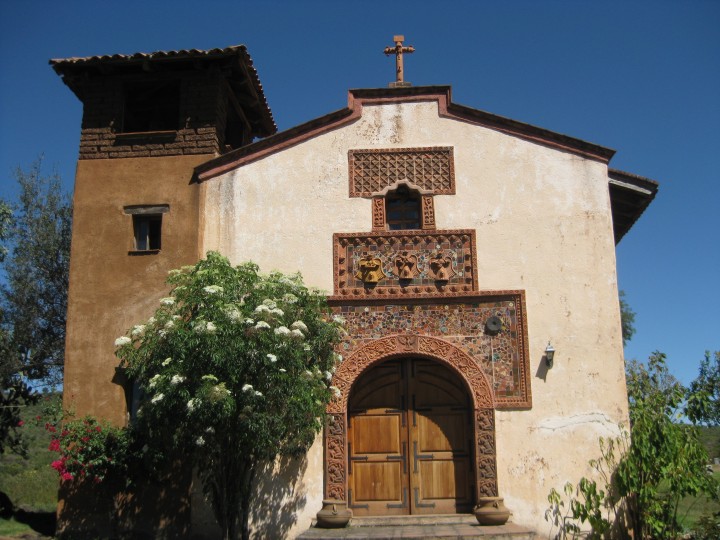
The Chapel of Juan Torress
The garden of Juan Torress
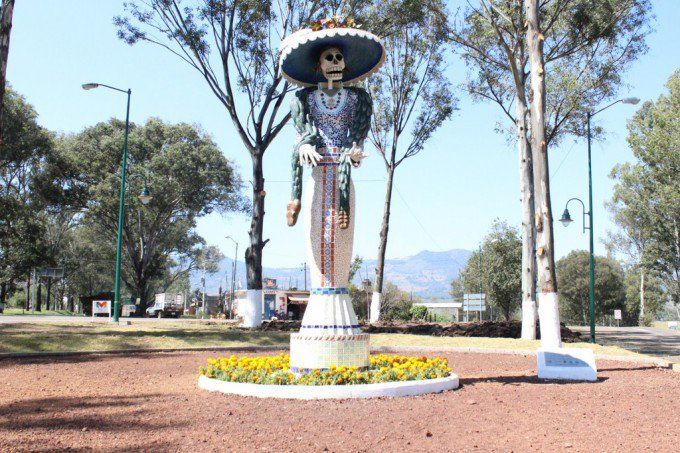
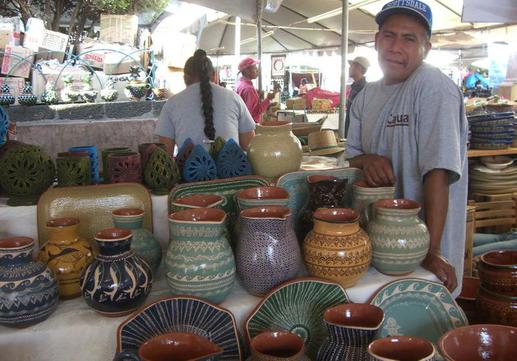
Demetrio and Raquel Gonzales
from Capula
Uruapan, March
Photos by Mexico by Hand, Peggy Stein
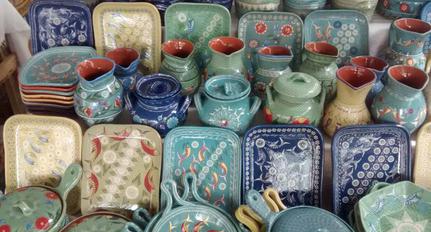
October 19, 2024
